

When Not To Muzzle
Muzzles are valuable tools when used appropriately—but they should never be used as a shortcut for proper training or as a form of punishment. Here are some clear examples of when muzzles should not be used:
To Stop Barking
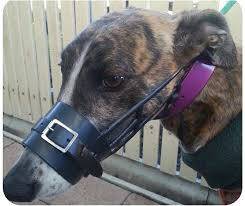
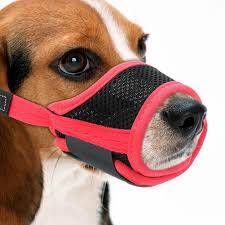
Muzzles are not designed to prevent barking. Using a muzzle for this purpose often means choosing one that’s far too tight, which can be dangerous and inhumane. If a dog can’t open its mouth to pant, drink, or bark, the muzzle is improperly fitted—and that's a serious welfare concern.
Barking is a behavior issue that requires training, not suppression. Using a tight muzzle to silence a dog is no different than tying their mouth shut. It’s not just ineffective—it’s cruel. Sadly, some companies market “anti-bark” muzzles, promoting harmful practices instead of proper training and safe equipment. If your dog cannot bark at all while wearing their muzzle, it’s likely much too small and should not be used.
As Punishment
Using a muzzle to punish your dog—whether for biting, chewing, or barking—will only damage your relationship and make behavior issues worse. Punishment after the fact doesn’t teach your dog anything except fear, and it can lead to increased anxiety and reactivity. A muzzle should be a positive tool. If you use it to scold or punish, you're setting your dog up for long-term behavioral setbacks. The goal is for your dog to associate the muzzle with safety—not punishment.
As a Replacement for Training
A muzzle can prevent a bite, but it won’t stop the behavior behind it. Muzzling your dog isn’t the end of the process—it’s a step in a much bigger training plan. If your dog is reactive, fearful, or prone to certain behaviors, the muzzle buys you time and safety, but training is what brings
lasting change. Think of it this way: putting a muzzle on a poorly trained dog and expecting their behavior to improve is like putting a leash on a dog that pulls and expecting them to heel. The tool helps, but the training does the work.
To Leave On Unsupervised
Dogs should never be left alone while wearing a muzzle. They might try to remove or chew it, which could lead to choking or injury. A muzzle can also get caught on furniture or objects. If your dog needs management while you’re away, consider safer alternatives like crating, using baby gates, or creating a secure space.
Final Thoughts
If you’re unsure whether your dog needs a muzzle, the answer is probably yes—it’s a great skill for any dog to have. But if you're considering a muzzle as a quick fix or a disciplinary tool, it's time to rethink your approach. Muzzle training should be positive, proactive, and paired with ongoing behavior training. When used correctly, a muzzle doesn’t just protect others—it helps keep your dog safe and supported too.

Create Your Own Website With Webador